Cold, Flu, COVID-19, or RSV? Sick Visits in Silver Spring


A cough, sore throat, fever, congestion, or fatigue can raise an understandable question: is this a cold, flu, COVID-19, or RSV? The short answer is that symptoms often overlap. A symptom checklist cannot reliably identify the virus on its own. A sick visit can be a useful next step when you need help weighing your symptoms, health history, and whether testing could be useful.
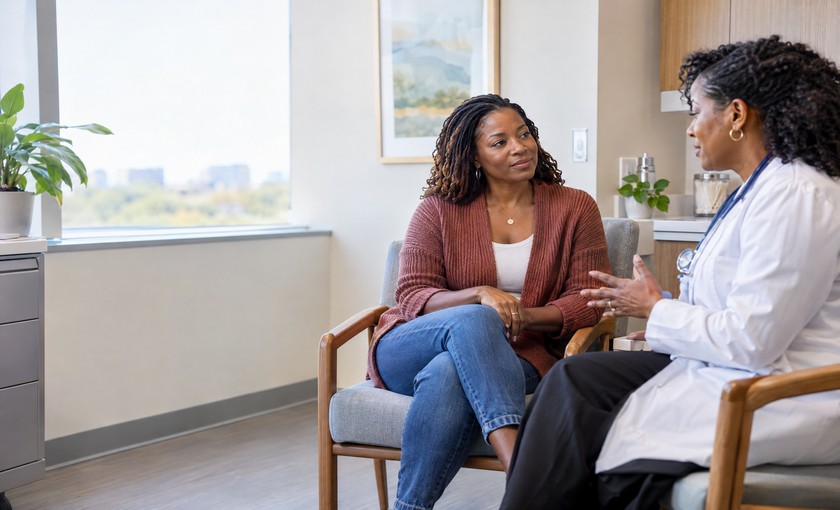
For people in Silver Spring, Kelly Collaborative Medicine lists Sick & Same Day Visits for acute illnesses. Call the office to discuss whether a visit is appropriate and what availability looks like. If symptoms suggest an emergency, seek emergency care rather than waiting for an ordinary appointment.
Why it can be hard to tell respiratory viruses apart
Cold-causing viruses, flu, COVID-19, and RSV can all affect the nose, throat, or lungs. Runny or stuffy nose, sore throat, cough, fever or chills, headache, body aches, fatigue, weakness, appetite changes, and stomach symptoms can occur with respiratory illnesses. CDC’s overview of respiratory illnesses explains that these illnesses share many symptoms and risk factors.
That overlap is why it is wise not to diagnose yourself from one sign, such as whether you have congestion or a fever. Symptoms can be mild at first, change over time, or resemble a condition that is not a respiratory virus. A clinician can consider the whole picture, including when symptoms began, how they are changing, medical conditions, medications, and any known exposure.
Testing may help answer a different question
Testing cannot replace clinical judgment, but it can provide information that helps guide next steps. CDC notes that testing may be especially helpful for people who have a higher risk of severe illness, because they can seek healthcare quickly if needed. A rapid antigen test is often faster, while molecular testing is generally more sensitive. A negative at-home antigen test does not always rule out infection. Ask a clinician what testing, if any, makes sense for your situation. Read more about testing and respiratory viruses.
When to call about a sick visit
A sick visit is not only for identifying a virus. It can be a timely way to talk through new symptoms, worsening symptoms, and practical questions about protecting others. Consider calling Kelly Collaborative Medicine to discuss a sick or same-day visit when any of the following fits your circumstances:
- You have new respiratory symptoms that are making it hard to manage your usual day, and you want clinical guidance about what may be going on.
- Your cough, fever, breathing comfort, or overall condition is getting worse, or symptoms improved and then returned or worsened.
- You have a positive respiratory-virus test, a negative test that does not match how you feel, or questions about whether testing could be helpful.
- You are 65 or older, pregnant, immunocompromised, or living with a condition such as chronic lung disease, heart disease, diabetes, or kidney disease. Young children may also have a higher risk of serious respiratory illness, so a caregiver can contact the child’s clinician for guidance.
- You have asthma, COPD, or another ongoing condition and respiratory symptoms seem to be affecting it.
For flu and COVID-19, some treatments may be considered for people at higher risk and can be more useful when started promptly. That does not mean every person needs the same test, visit, or treatment. A clinician can help determine what is appropriate for you.
When a routine sick visit is not enough
Do not wait for a standard clinic appointment if emergency warning signs are present. For adults, CDC lists warning signs that can include trouble breathing or shortness of breath, persistent chest or abdominal pain or pressure, new confusion, inability to stay awake, seizures, not urinating, severe weakness, or symptoms that improve and then return or worsen. Seek emergency medical care immediately for these concerns.
Children can show different warning signs. Fast or difficult breathing, bluish lips or face, ribs pulling in with breaths, dehydration, unusual lack of alertness, seizures, or a fever in an infant younger than 12 weeks need prompt medical evaluation. Call 911 for a life-threatening emergency. CDC’s emergency warning-sign guidance has a fuller list for adults and children.
What to have ready when you call
A few notes can make a sick-visit conversation more efficient. Write down the day symptoms started and how they have changed. If you checked a temperature or took a home test, have that information nearby. It can also help to share recent exposure to someone with a respiratory illness, along with your current medications, allergies, and important health conditions.
If you are calling for a child or another family member, note their age, fluid intake, energy level, and any change in breathing. Bring identification, insurance information if applicable, a medication list, and your questions to the visit. The office can tell you how to proceed and whether an in-person or other option is appropriate.
Protect others while you arrange care
When you are sick, staying home and away from others can reduce spread. CDC says people can return to normal activities when symptoms are improving overall and they have been fever-free for at least 24 hours without fever-reducing medicine. For the next five days, consider added precautions, such as cleaner air, hand hygiene, a well-fitted mask, physical distance, or testing when you will be around others. These steps matter especially around infants, older adults, and people with health conditions that raise the risk of serious illness. See CDC’s current precautions when you are sick.
Trying to label every cough at home can be stressful. Instead, pay attention to the pattern of symptoms, your health needs, and warning signs. If you are concerned and the situation is not an emergency, call Kelly Collaborative Medicine to discuss a sick visit and the next available option.

Dr. Kathryn Kelly is a Board-Certified Internal Medicine Physician working in the Washington, DC area since 2013 after completing her National Health Service Corp obligation in Albany, GA. Dr. Kelly received her undergraduate degrees from Howard University in 2001 with a Bachelor of Science in Biology and Bachelor of Arts in Anthropology.